Security measures to take when you Lose your Keys

Losing your keys is never a nice experience, especially when you don’t have a spare handy. It also comes with a lot of inconveniences including time spent trying to find the keys, getting a locksmith to change the locks, and changing your day’s plans or routines. But even more inconvenient and more concerning is the potential security risk it exposes your home, family, and belongings to if you fail to find the keys. Therefore you need to act fast and take some security measures.

Besides ensuring that you have done a thorough search for the keys and concluded that they are lost, consider these security measures to keep your home or office safe.


Call the Police 


Call the police to report missing keys. Sometimes keys found on streets or in public parks are given to police and kept in a central location. Reporting to the police is a vital security measure to take especially if your purse or wallet was stolen along with your keys, you also become at risk for identity theft.


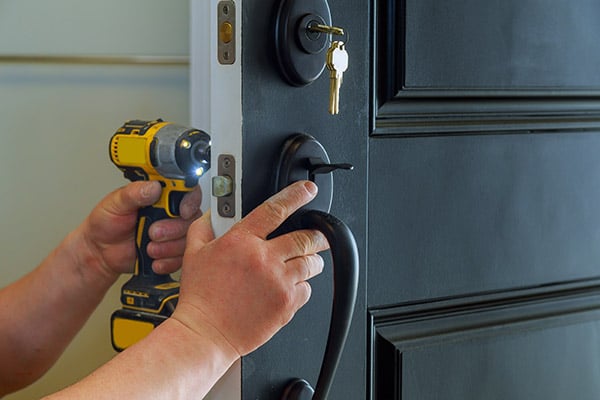
Call a Locksmith & Change the Locks


Whilst you think you have just dropped your key, it could have, in fact, been stolen or you maybe you did drop it, but in close proximity to your front door. All these options make it likely that someone could take advantage and break in, so you’re definitely better off investing in a new lock and key.

Cut a new key or change your locks: Decide whether to cut a new key or change your locks. In many cases, simply cutting a new key for the existing lock is a good choice, and it’s usually the less expensive option. However, if you’re concerned about someone using your lost keys, changing locks is recommended.


Upgrading your home security


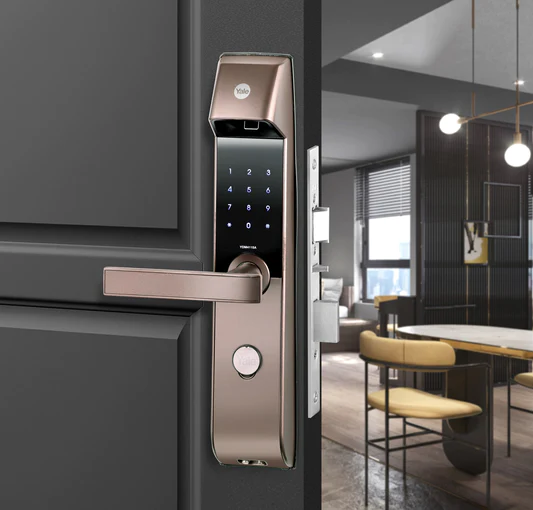
If you have got to have new locks installed on your property due to lost keys, you may want to take the opportunity to upgrade your home security at the same time. You can also upgrade your key security by choosing higher-quality locks that have useful theft-deterrent features such as anti-snap. In addition to higher quality locks, consider installing smart locks. Smart locks use keyless entry using keypads and codes rather than physical keys. The benefits of smart locks include:

Control of your locks from anywhere. If you lose your keys, you can lock your house right from your smartphone via an app.

Assign codes to each family member. Rather than make copies and spare keys for each member of your family, you can simply assign them a specific PIN. Some smart lock makers allow you to make up to 30 different codes, and this will also show you who is coming and going from your home based on the code used.

Change codes as often as needed. With physical keys, you’d want to change your locks even if one person in your family loses their keys, just to be on the safe side. But this can be both expensive and time-consuming. You can also disable codes and assign new ones right from your smartphone.

7 Ways to check against Employee Theft

Employee theft is a harsh reality especially for small businesses, and it happens more often than you think. According to the National Federation of Independent Business (NFIB), an employee is 15 times more likely than a non-employee to steal from an employer, and employees account for an estimated 44 percent of theft losses at stores.

Employees who steal typically have worked at a business for several years before starting to steal and continue for an average of three years before they get caught. That’s a lot of time to generate losses for the business.

According to the Association of Certified Fraud Examiners, among the motivations for employees to steal are:

  • Motive: Greed, financial strife, unexpected bills, addictions
  • Opportunity: Weak financial controls, cash management processes
  • Rationalisation: Employee has internal excuses, such as “the business won’t notice”, “I deserve a raise”, or “other people do it”.


The 10-80-10 rule proposes that as many as 80% of employee could potentially steal from the company:

  • 10 percent of people will never commit crime against their employer
  • 80 percent might commit a crime through a combination of opportunity, pressure, and rationalisation
  • 10 percent actively seek out ways to steal from their employer

Employee theft is a serious problem for companies that can lead to huge financial losses, and even folding up of the company. Here are some strategies you can practice to curtail employee theft in your company.

1. Improve job screening
 

checking employee theft


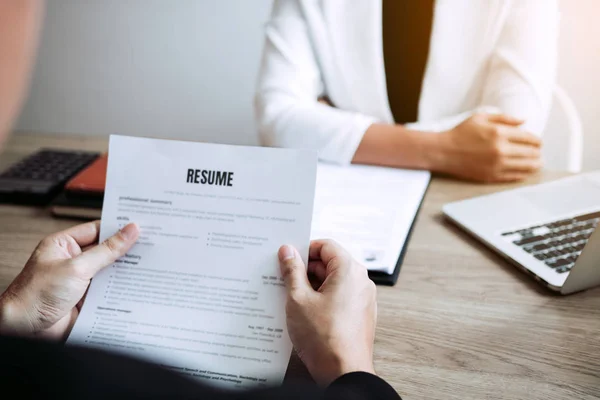
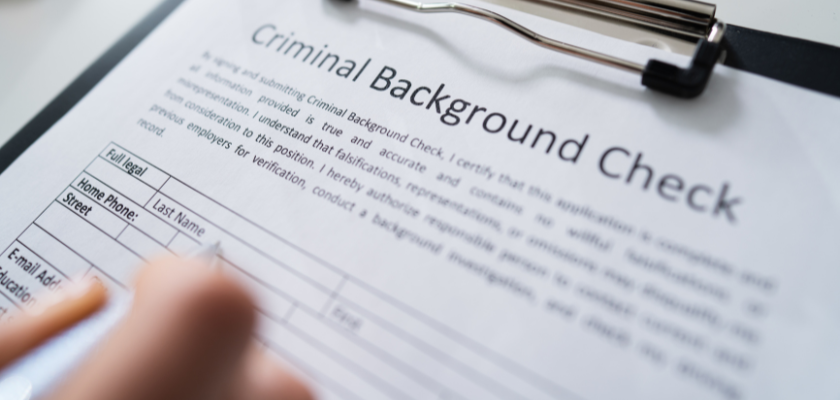
Thoroughly vet all job candidates by checking references, performing background checks and conducting your own research through online searches. Background checks can let you know if someone has been charged with a crime. It’s important, though, to make sure you’re complying with the law while carrying out your background checks. Some cases of employee theft are never reported to the police, however, so it’s a good idea to call all references to find out about any past issues or reasons for concern.


2. Know your employees 
 

checking employee theft


Be alert to key indicators of potential theft such as:

  • Sudden, apparent devotion to work and working late.
  • Lifestyles well above salary levels.
  • Strong objections to procedural changes related to financial, inventory or supply matters.
  • Drugs and alcohol abuse.
  • Moonlighting with materials available at the business.
  • Evidence of compulsive gambling, persistent borrowing, or bad check writing.

NFIB recommends that small business employers perform background checks on potential hires. Checking references is one important step. But for employees entrusted with handling your money or financial records, a background check is better.


3. Supervise employees closely

 

checking employee theft


Not surprisingly, studies show that when supervision is lax, theft and fraud rates go up. This doesn’t mean looking over their shoulder every minute. But it does mean checking what they do. It’s also wise to have more than one person looking out for your money.


4. Set checks and balances



While employees need a certain level of trust and authority to do their jobs, you can implement checks and balances to help detect (and hopefully deter) fraudulent activity. For instance, make it mandatory for all new accounts to be reviewed and approved by somebody at a higher level than the person who can create them. Only allow cashiers to do a refund up to a certain limit, and above that [limit] a manager must do it. Assume that every position has the ability to kill your business, so put controls and measures in place to keep that from happening.

Use purchase orders. The payment, receipt, and preparation of purchase orders should be separate functions and handled by different individuals. Use serially pre-numbered purchase orders and always verify incoming orders.

Control cash receipts. Use serially pre-numbered sales slips and conduct weekly audits. Balancing of sales slips and register receipts should be done by someone other than the sales clerk.

Use informal audits. Make unannounced internal audits and have a yearly audit performed by an outside firm.

Track your business checks. Always use pre-numbered checks, with amounts and payees typed or written in permanent ink.

Install computer security measures. Understand your computer systems and software, and how they might be used to divert money or inventory. Restrict access to computer terminals and records. Periodically change entry codes and check regularly to ensure that security procedures are in effect.


5. Use video surveillance



Consider installing security cameras to keep a watchful eye on your business. Cameras should be placed in blind spots, however, avoid placing cameras in areas where privacy is expected, such as bathrooms and break rooms. If you use cameras that are paired with a mobile app, you can monitor your business when you’re offsite, and those with motion detection can alert you if someone is inside the premises when the business is closed.


6. Create an anti-theft policy



Work with your attorney to include an anti-theft policy in your employee agreement to make it clear that stealing from your business will not be tolerated. Provide examples of prohibited behaviors and let employees know that they could face serious consequences if they’re caught in violation of the policy. For example, you will immediately terminate the employee’s contract, file a police report and potentially seek legal action for restitution for any damages.


7. Create an employee tip hotline



Oftentimes, your best information on fraud in the workplace can come from your employees. Consider setting up an employee tip hotline where workers can report ethical issues. Make the hotline anonymous so employees can report issues and concerns without the fear of punishment or retaliation. This needs to be done carefully to avoid signaling you don’t trust employees.

  • Be extremely careful about making accusations and conducting investigations – a false accusation can result in a lawsuit against you.
  •  Verify suspicions by investigation, and determine the extent of fraud and methods used.  If you can identify the responsible employee, terminate their employment and consider further legal action.
  •  If it is a large or complex issue, consider involving legal counsel who can assist with finding additional experts such as forensic accountants or investigators.

Door & Window Security Tips

Doors and windows are the most vulnerable parts of a property, as majority of burglars gain access into a home or office through a door or window that is either not strong enough or left unlocked. Poor lighting around doors and windows and other factors also aid burglars break-in. To keep your home or office secure, it is highly important to assess the state of your doors and windows when moving into a new home and from time-to-time.

Here are some door and window security tips to help you keep your home and office secure from burglary.


Door security tips

Change your Door Lock


door security

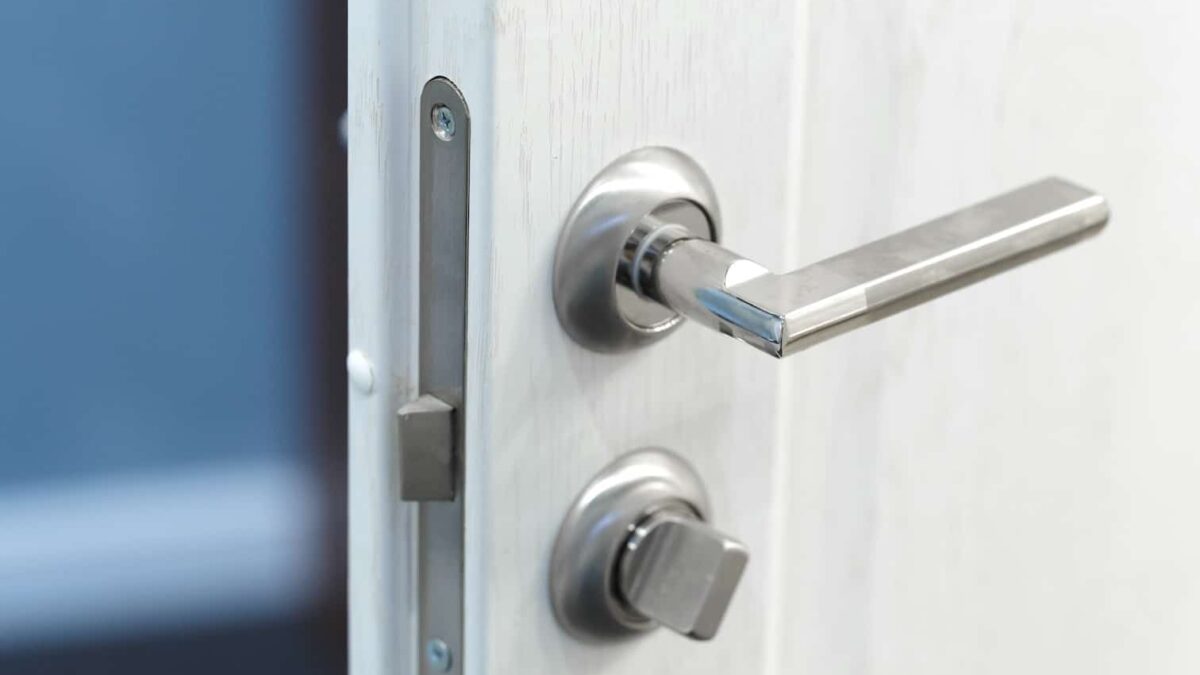
If you have just moved into a new house, it is advisable to change the door locks, especially the exterior doors. This is because you can never always be completely certain or feel comfortable if all previous occupants, their relatives, neighbours, or workmen have returned their key copies. Also, it could be that you are not comfortable with the quality of the current lock and wish to change to a new lock of higher quality. It is a good idea to change the door lock so as to give that peace of mind and control over your door.

Choose Door with Multipoint Locks


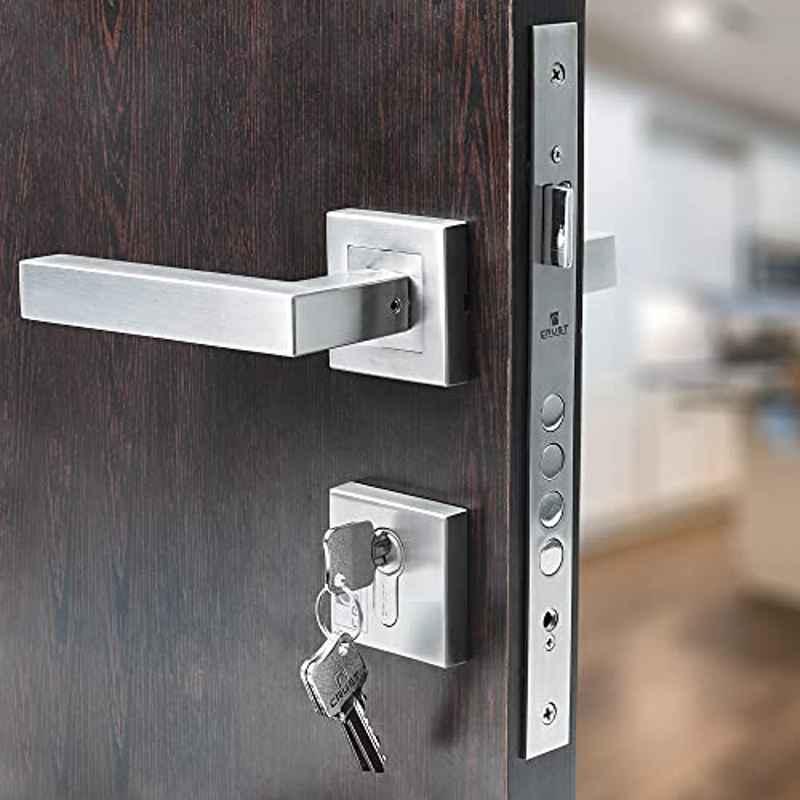
If you choose to change your door entirely, consider doors with a multiple lock system. They add an extra layer of security. For example, you can install a deadbolt. In addition to a latch and deadbolt, multi-point locks are equipped with a bolt that comes out of the top of the door panel (head bolt) and another that comes out of the bottom (foot bolt). It would take a formidable offender indeed to break through a door secured in four separate places.


Make sure your Doors are well lit


Walking up to a door that is surrounded by complete darkness would give most of us the chills. That is why having a well lit door is a key tip to keeping you safe. If there is no light at your door there are a few easy fixes for that. The simplest and cheapest fix could be getting a strand of decorative lights and hanging them up around your door or porch. This will give off enough light to brighten up the door space as well as the simplicity of small lights that can be easily removed.  If you want a more permanent fix, there are outdoor lights available at most hardware stores that can be bought.


Replace Glass with more solid options

Glass doors and glass inlays on doors are nice to look at but could also pose a danger if hit. Glass can be a pain to clean up and could also result in injury. Try replacing the glass with tempered glass or finding a door with fiberglass inlays to decrease the dangers of broken glass. Tempered glass is much stronger and is more heat resistant than regular glass. It falls apart into small pieces rather than large shards with sharp edges making it much easier and safer of a clean up. Tempered glass is great in any window or door for the increased safety benefits it provides.


Window security tips

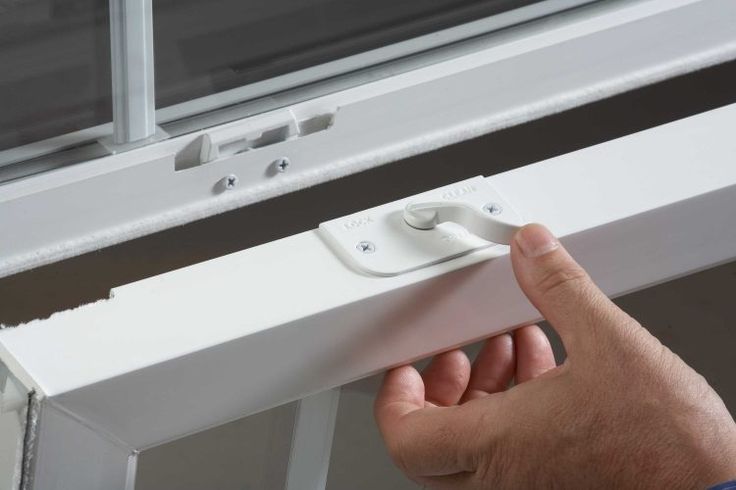
Get Windows with interior locks


It is important to have interior locks on your windows. Many windows now have security latches at two different levels to allow for the window to stay open for ventilation in a safe way. This allows for fresh air as well as the safety of having your window locked.


Consider Windows with Tempered glass


It doesn’t take much to break standard window glass. But a window fitted with laminated glass is not so easily penetrated. Laminated glass is made by sandwiching a thin, virtually invisible, vinyl film between two layers of glass. That thin layer won’t prevent the glass from cracking, but if it does get broken the glass will stay in place within the window sash or frame.

Window Safety for Children

Keeping children safe around windows is a top priority. You should keep all furniture away from open windows. Children are full of energy and if they are playing on the furniture near an open window it increases the likelihood of an accident happening. Make sure all furniture is a good distance away from the window so that a child could not easily access it.

Install Smart Windows and Doors

You can either set up motion detectors that detect movement within the house or install lock status sensors that will let you know if your doors and windows are locked or if someone unlocks them. Both systems can be built into a new or existing home.

How to protect your Smart Security devices from Cyberattacks

Because your smart security devices require internet connectivity to function, they are vulnerable to cyberattacks. Smart security devices require connection to your Wi-Fi router to function. Your smart security devices are also connected to other smart devices such as smart hubs, mobile phones and tablets which are also vulnerable to cybersecurity threats. It is paramount that the Wi-Fi router and other devices connected to your smart devices are well protected from potential cybersecurity threats. Criminal hackers gain unauthorized access to networks and devices to steal sensitive data, including financial information, company secrets, and compromise your security system.

Here are ways to protect your smart security devices against cyberattacks.


Keep Software or Firmware Updated


software update


You should regularly update your smart security system. This can help protect against security vulnerabilities and other bugs. Your smart security device software may need to be updated to add new features or fix security flaws found by the manufacturer. Always accept any updates a device requests, and if possible, enable automatic updates. The more frequently the devices update, the more the security is enhanced.


Secure Your Wi-Fi Router


secure wifi router


Routers don’t usually come with the highest security settings enabled. When you set up your network, log in to the router and choose a password using a secure, encrypted setup. This prevents intruders from infiltrating your network and messing with your settings. In addition, installing a virtual private network (VPN) on your router is an excellent way to secure your router and protect your smart security devices from cyberattacks. A VPN will make it harder for malicious actors to access or intercept your data by ensuring that any data sent to or from your smart security device is encrypted and protected against cyberattacks. Other than that, use strong passwords and multi-factor authentication to secure your router further.


Use complex passwords to prevent network intrusions


strong password


Using strong passwords is a crucial way to prevent network intrusions. The more secure your passwords are, the harder it is for hackers to invade your smart security system. Secure passwords are usually longer and more complex. Use a password with at least eight characters and a combination of numbers, uppercase and lowercase letters, and computer symbols. Hackers have tools that can easily break short, easy passwords in minutes.

Don’t use recognizable words or combinations representing birthdays or other information hackers can connect to you. Don’t reuse passwords, either. If you have too many passwords to remember, consider using a password manager, such as Dashlane, Sticky Password, LastPass, or Password Boss.


Other ways you can protect your smart security devices from cyberattacks include turning off Bluetooth of mobile phones while not in use. Be mindful of the Wi-Fi networks you connect to. When setting up your smart security system ensure that you use a secure network from a reputable internet service provider (ISP).

Looking for smart devices to bolster your home or office security? We can help you find the best solution that meets your needs. Check out our smart security devices here. Alternatively, you can speak to us via email or call +234 706 993 7577 now! We’ll sure be glad to help!