How to Prevent Fire Accidents at Home

Our homes are precious to us. It’s where we have our family and valuables. So protecting our homes from unwanted circumstances that could potentially cause harm, damage or loss such as fires is paramount and non-negotiable. Fires can start in seconds and completely raze down a home in a matter of minutes. Therefore, it’s important to put safety and preventive measures in place, adhere strictly to fire prevention practices, and have an escape plan if the fire is beyond your control. Here are some safety tips to prevent fire accidents at home.


Never leave your kitchen unattended whilst cooking
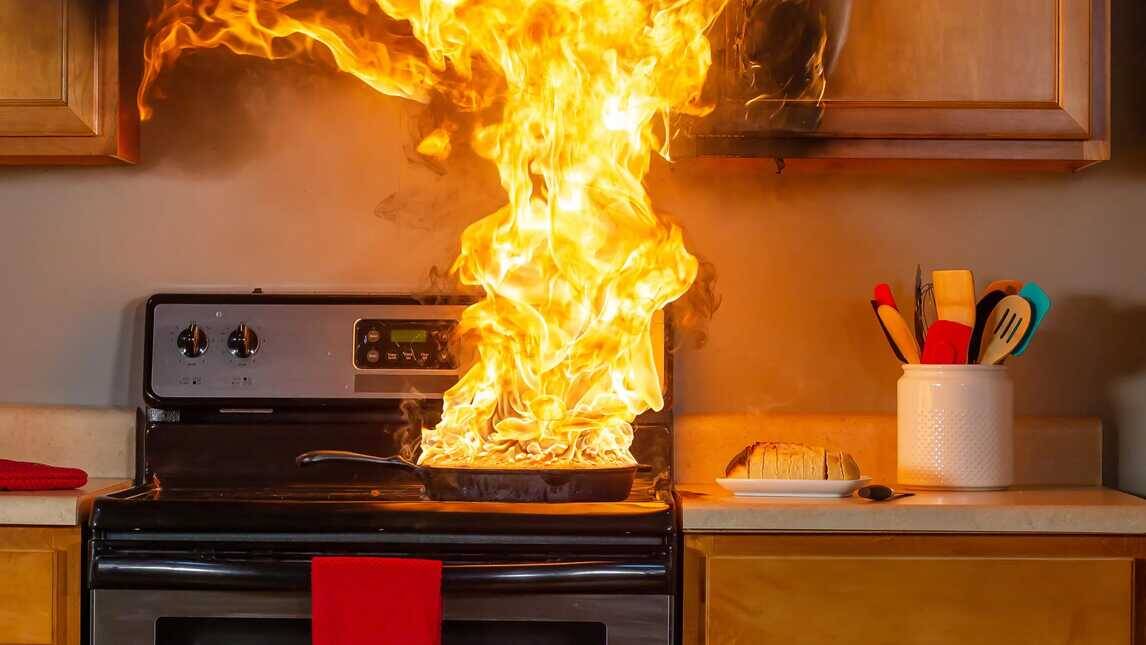
 

It only takes a few seconds for a fire to break out. If you need to leave the kitchen for any reason whatsoever, make sure to either ask someone to watch the food for you or turn everything off altogether until you’re back.


Inspect your heating sources

House fires may very well be triggered if your home heating sources are not working properly. Be sure to always clean out your air conditioning filters, keep your heaters away from anything that is flammable, and have them checked out by a professional once a year.


Store any flammable products correctly


Household cleaners and items such as hair spray or shaving cream may be very hazardous if exposed to a strong source of heat. Always store these safely in a cool area away from any heaters.


Be cautious with your wires & appliances

Before you plug something into a socket, ensure that the wire hasn’t been torn or has a breakage. Worn out or damaged wires can be a detrimental fire hazard and should be replaced as soon as possible. Also, remember that wires get hot when in use, so be sure to check your wire placement and avoid passing them under a carpet or anywhere that could potentially catch fire.

In addition, always turn off and unplug all unnecessary electrical equipment, including sensitive electronics. Turn off or disconnect any appliances (like stoves), equipment or electronics you were using when the power went out. When power comes back on, surges or spikes can damage equipment and cause a fire to start.


Be cautious with open flames

Be cautious in your use of candles and fireplaces. If you feel yourself dosing off, turn off all your candles beforehand, and if you have pets, keep these open flames out of their reach as much as possible.


Install and maintain smoke & carbon monoxide alarms
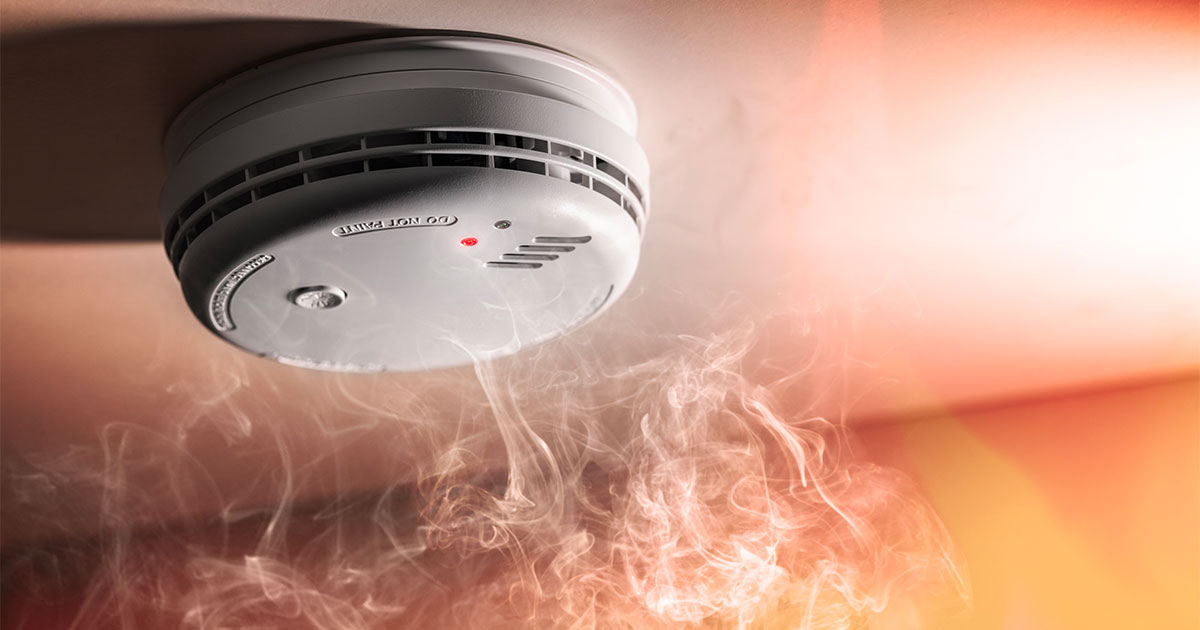
 

Place smoke alarms on every level of your home, including inside and outside bedrooms. Test smoke alarms once a month. Change the batteries at least once a year – if your model requires it.


Keep a fire extinguisher or blanket around at all times!
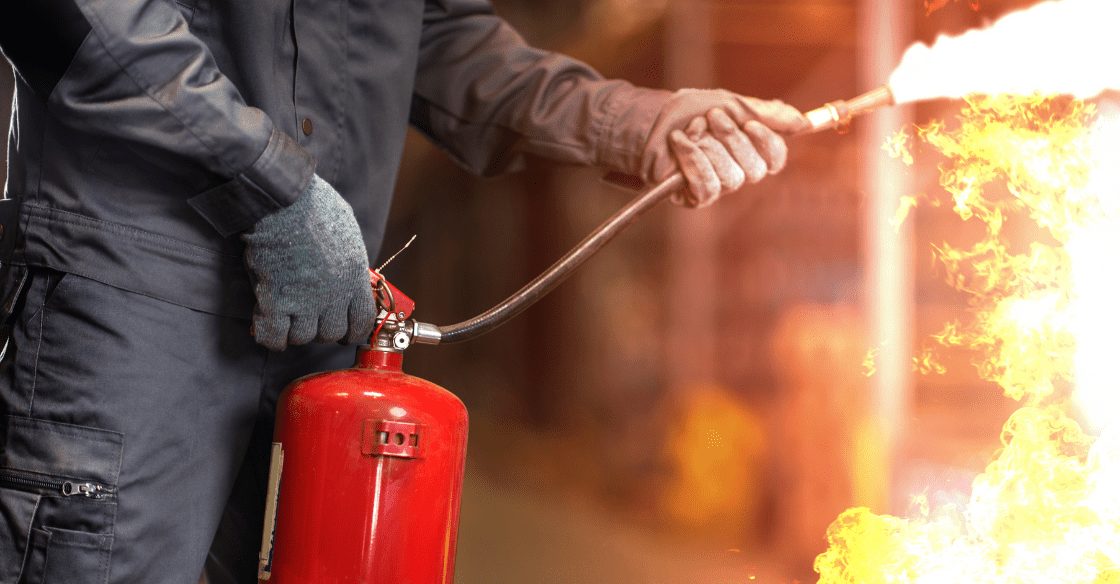
 

Fire extinguishers and blankets will be your best defence in the event of a fire breaking out. Every family member should know how to use a fire extinguisher, so in case something in your home catches fire, it can be put out as fast as possible. Fire blankets are also very useful for putting out small fires before they become something larger and fiercer.


Unfortunately, sometimes fires may raze on beyond your control or you may only realise it late. At this point, safety of lives is priority. Therefore, you should create and practice a fire escape plan. Include two ways out of every room. Pick a spot to meet outside. Practice the plan at least twice a year with everyone in your household.

Losing loved and precious belongings to a fire outbreak is a devastating experience. So it’s important to put all measures in place and practice to prevent such occurrences.

Security Tips to Keep Your Children Safe

Safety of your children is paramount whether at home or outside the home. While it’s easier to keep an eye on them while you are around them, it’s much more difficult when you are not present with them. This is when they have to rely more on the knowledge of the security measures you have instilled in them. Along with supervision and ensuring a safe environment, you can also improve home safety and security of your children by teaching them about what’s safe and what’s not, and what to do in certain situations.


Teach Your Kids to Always Keep the Doors Locked


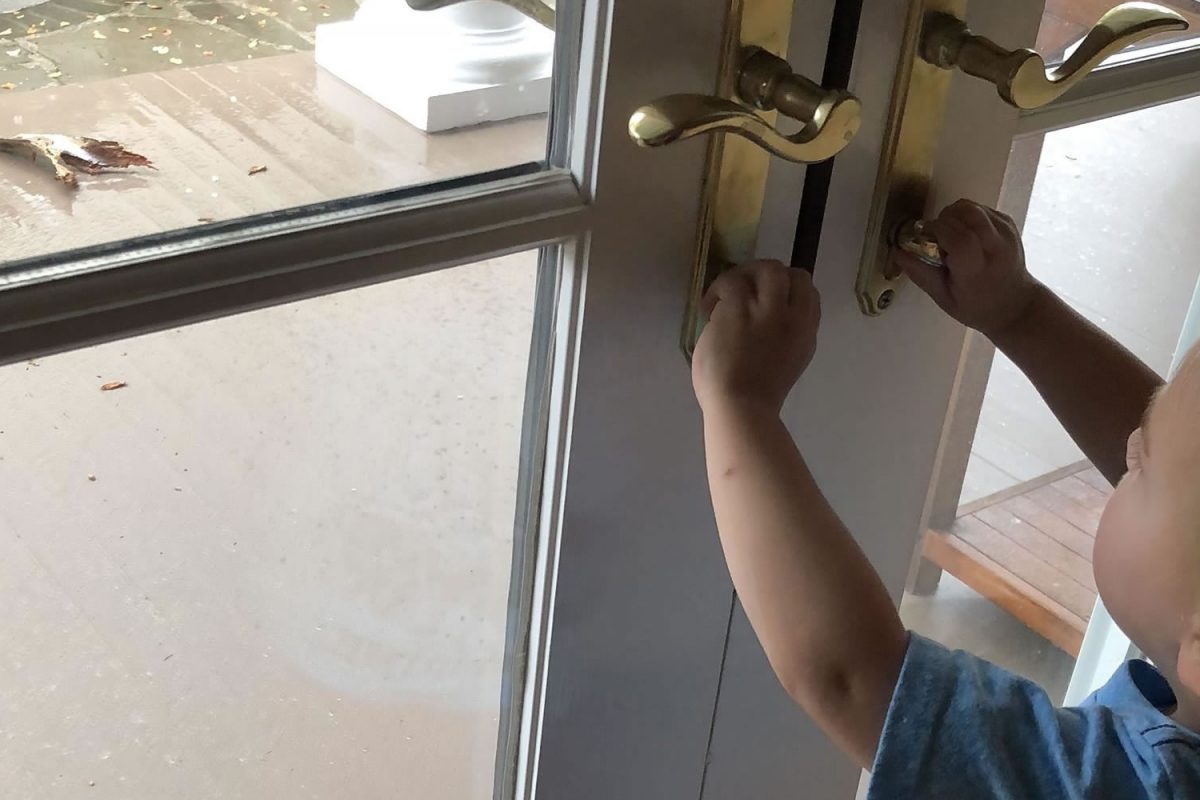
Closing the door after you and locking them should be your number one safety measure to introduce at home. This will not only ensure that intruders cannot access the house and also the younger kids cannot find their way out. Keeping the door closed will give you the confidence that your kids are well protected inside.

At the time when they are infants, it would have been easier to ensure their safety is maintained as there are numerous safety devices to use in the market. However, at an older age, they are able to understand the importance of safety measures you have taught them.


Ensure that Kids Know Your Contact Information


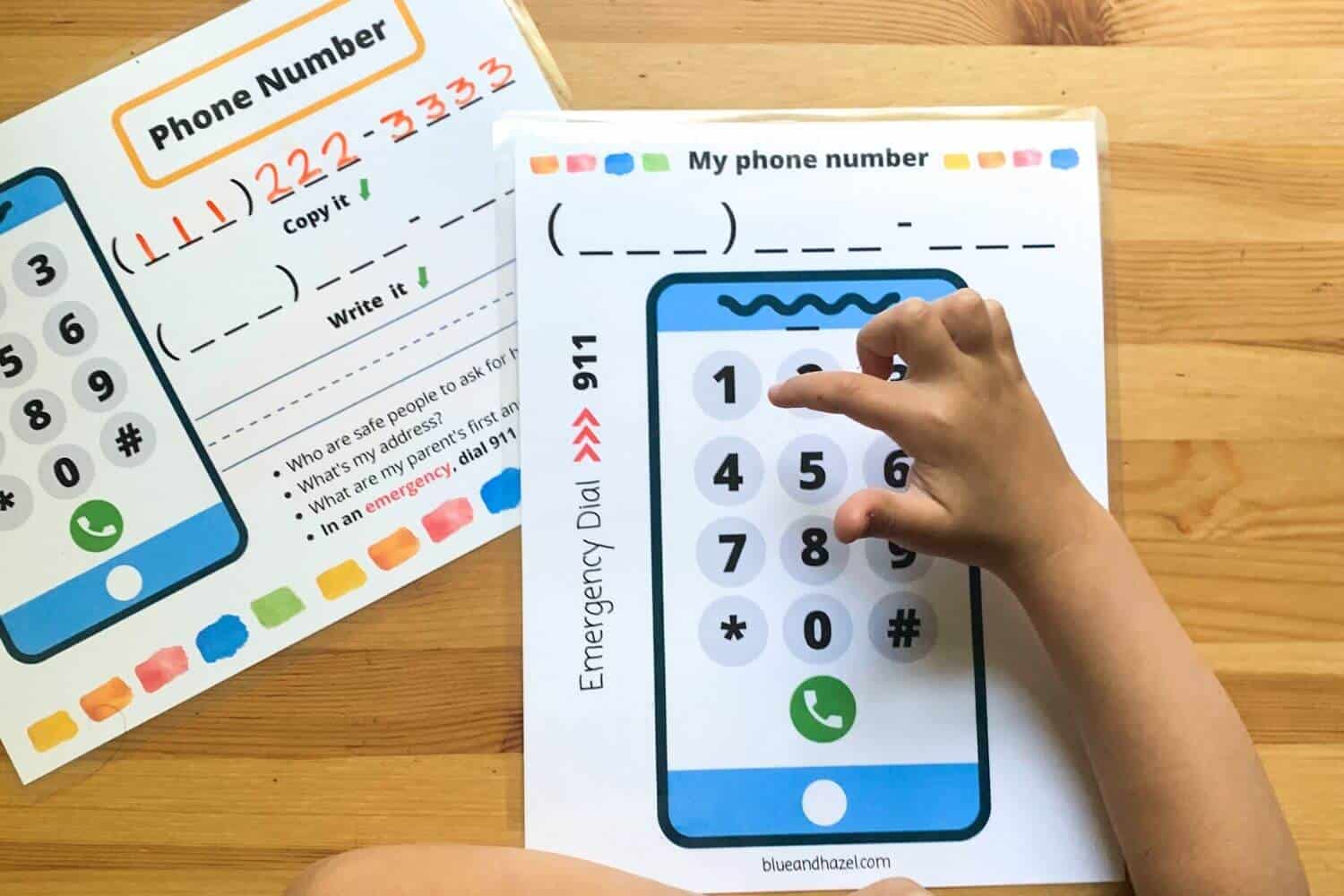
You should ensure that your kids are aware of where to get help in case of an emergency. This is not only beneficial to the kids but also to the entire family. Sometimes, as a parent, you may be faced with a case of emergency and cannot contact anyone for help.

However, having the children understand how to use a cell phone and memorize emergency contacts will be really helpful to the family. In most homes, you will get a contact information sticker and place it on the fridge.

It is important to ensure that the child memorizes some of these emergency numbers. For those who may not be able to memorize that information, just start by teaching them their full names, your names, and other basic information.


Teach the Kids not to Trust or Accept Gifts from Strangers


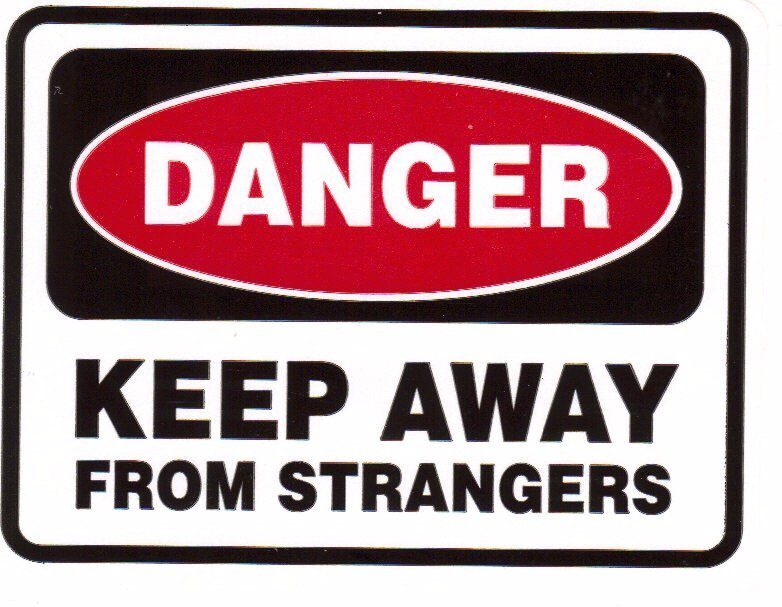
Teaching your child on how to not interact with people they don’t know or are not close to is a key safety rule that will help minimize cases of kidnapping or other dangers.

You may not always be there with your kid especially after they start school. The only thing you can do is to ensure that they understand ‘stranger danger’ and that they are not supposed to trust people they don’t know.

Moreover, despite how safe your neighborhood may be, you may not know where the danger lurks. Some children are very friendly and do not fear talking to people they don’t know.

Kids may fail to understand the seriousness of the situation, so you should find ways to make the child know how it is not safe. For instance, tell the child that if someone whom they don’t know says “mom asked me to take you somewhere,” the child should stay in the house and call the emergency number.


Teach them to never share Personal Information Online


The internet has its negative side and this includes cyberbullying and other crimes facilitated through the Internet. Teenagers are fascinated by the internet and may spend a lot of their time there meeting and talking with strangers. As a parent, you should create awareness to the kids on the dangers that may lurk on the internet.

Safety measures should be aimed at ensuring your kids understand that they should not give out any personal information to an individual on the Internet.


 Teach your children about their body

Incidences of children being sexually abused by strangers and even people they know is on the rise. It is good to ensure that the kids are aware of the dangers that surround them even at an early age.

Teaching children about their bodies early enough will also ensure that they do not get misguided information on the Internet. Moreover, this is a safety measure that will ensure your child is aware of how to carry themselves and how those around them should interact.


Never to take anything given to them by people they don’t know

This is an important safety measure that the parents should teach their children. People with bad intentions may try to win over a child’s affection by offering them gifts.

However, as a parent, always teach them that they should never accept any gifts that are offered to them by people they don’t know and instead decline it politely.

You should also teach the child to trust only a few family members, for instance, the parents, grandparents and other close family members.

Tips on Choosing Security Windows for Your Home

Windows and doors are the most vulnerable parts of your home. They are entry points through which burglars can gain access into your home. So it’s important to duly consider the security features of a window before choosing one for your home. There are many popular window types now that provide you the security you need for your windows without compromising on aesthetics and convenience. Here are some tips to help you choose the right security windows for your home.


Shop For Windows With Security In Mind

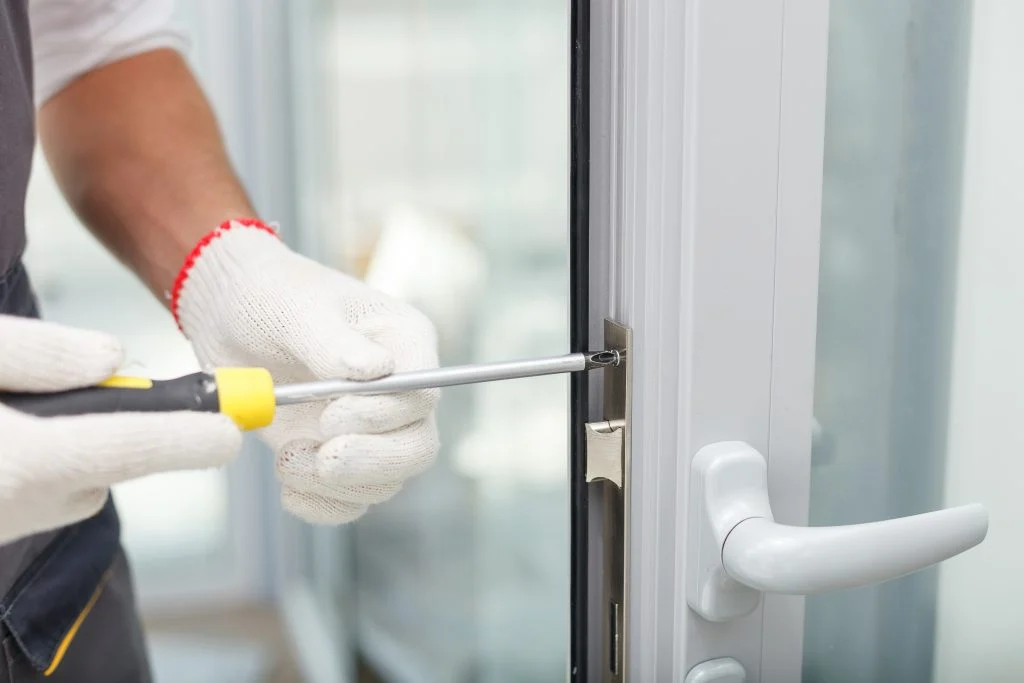
If you’re replacing, upgrading, or installing new windows in your home, consider windows with built-in security features such as locks, deadbolts, security film, etc. Your windows contractor is a good source for finding the right style of windows for your needs, your house, and your budget. Consult them thoroughly and be as transparent about your concerns as possible to ensure they have all the information they need to find the perfect fit for you.


Casement Windows


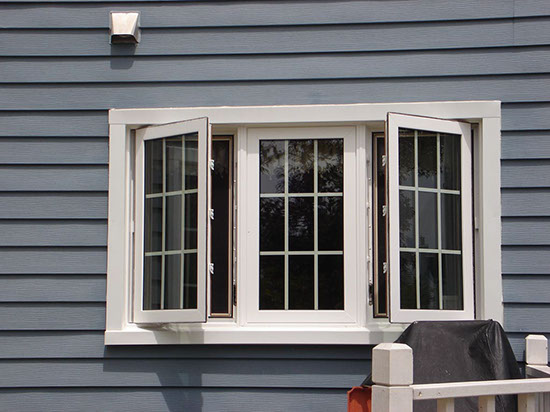
Casement windows are popular in contemporary homes. Hinged at the side of the window frame, casement windows have hand-operated locks that can only be accessed from inside. These hook-shaped locks are a core component of the window’s frame, making them extremely difficult to break.


Double-Hung Windows


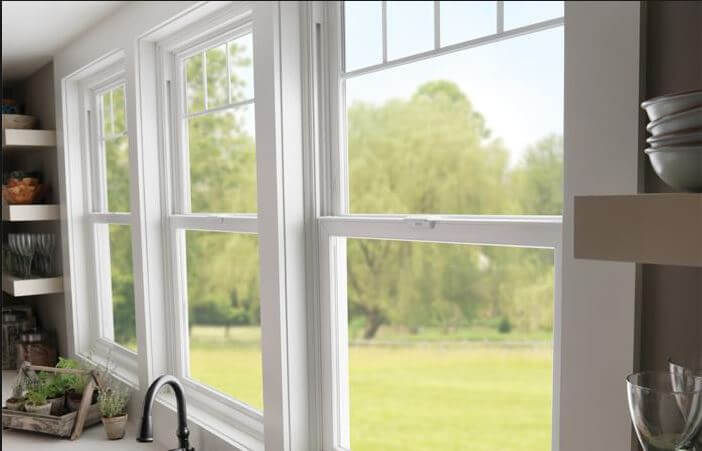
With two independently adjustable sashes, these are the most popular windows in residential homes. This window type scores high on safety. They feature easy-to-use balance that lets you operate them easily and extensive pressure that keeps them in place at any given spot along the rail.


Choose Impact-Resistant Windows


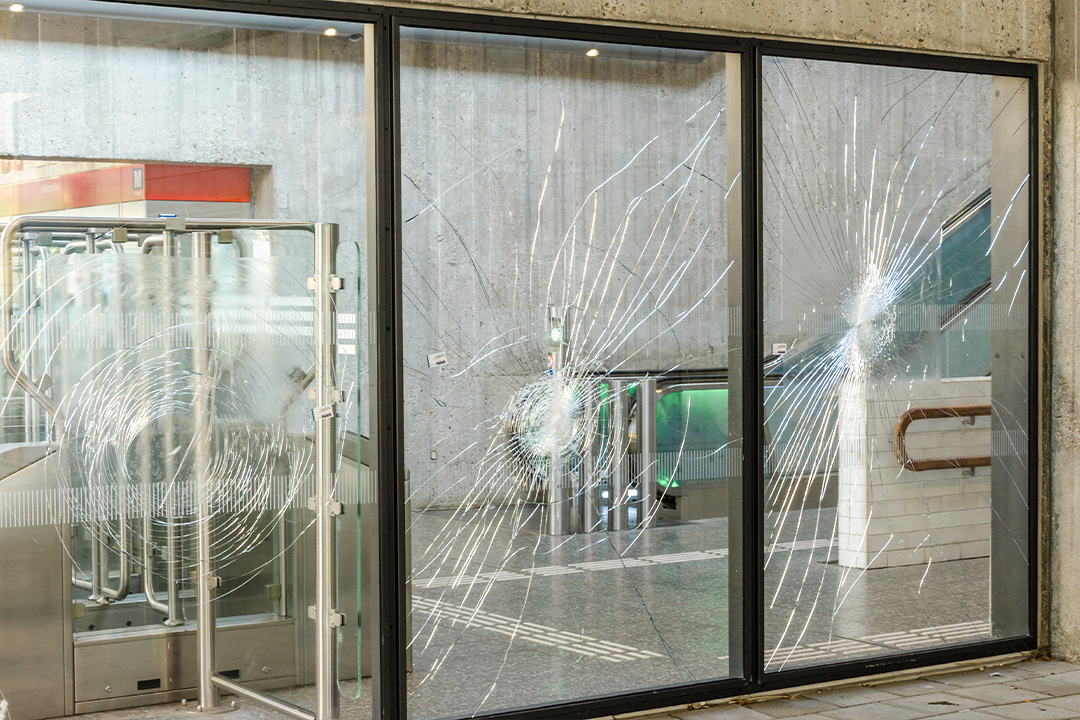
As the name implies, impact-resistant windows are designed to withstand the impact of various weather, debris, and elements. The window is constructed of impact-resistant glass mounted within a heavy-duty frame, which is then securely anchored within the window’s interior frame.

While no window is completely impenetrable, rather than shattering, the impact-resistant glass will splinter (but still hold) after impact. Burglars strive for swiftness and stealth, so impact-resistant windows often deter burglars and slow their entry.

A common feature of impact-resistant windows is their glaze. An impact-resistant film could also be placed over each pane of glass. While not as sturdy as the inner membrane of the laminate, it similarly helps keep shards of broken glass in place should the window shatter. How well the window film functions depends on the stability of the window glazing and the window frame.

Tips on Choosing the Right Security Doors for Your Home

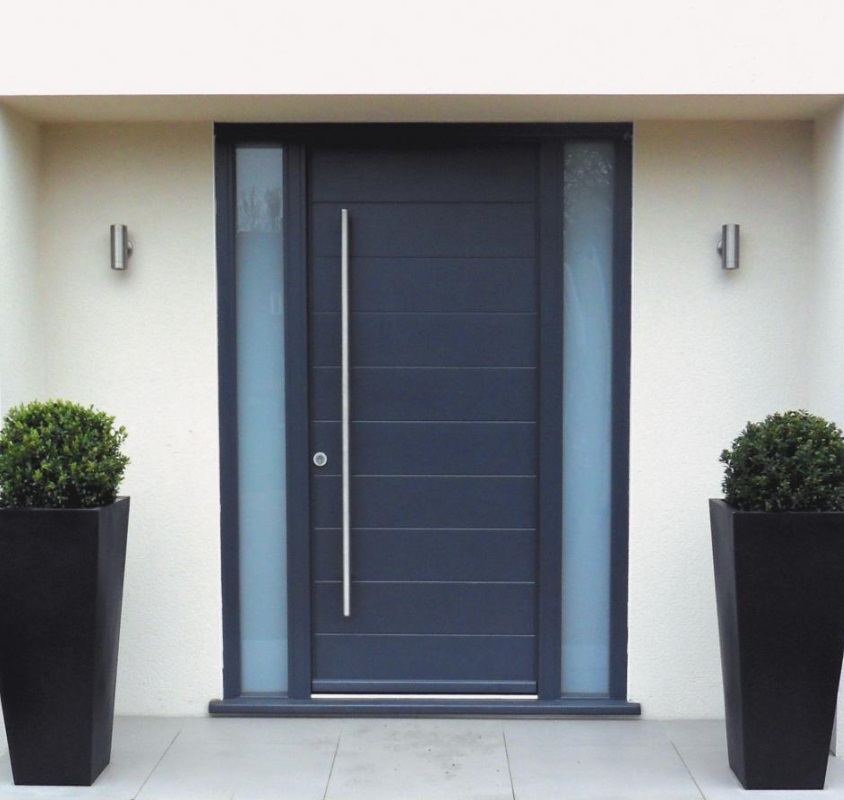
Security doors are the first line of security for your home, especially your front door which is the main entrance for burglars to get into a home. As a result, it is highly important to install high quality security doors. The main purpose of installing security doors is to strengthen all the external entry points into your home, especially the front door, and prevent unauthorized access or entry.

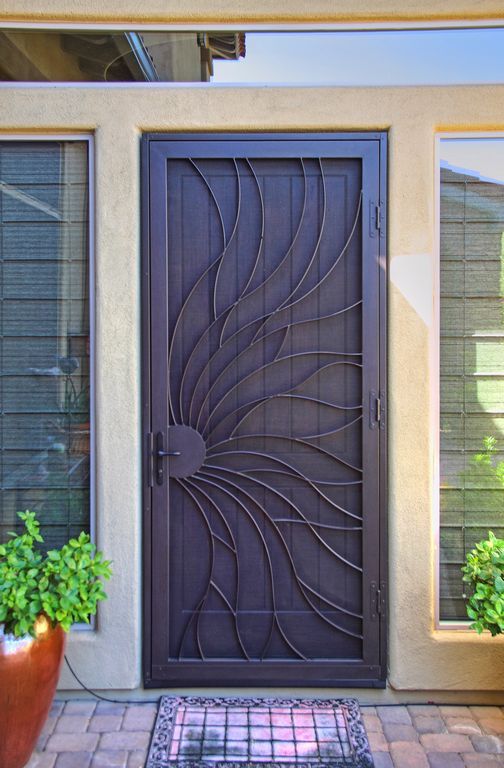
Security doors are doors made ‌of strong materials designed to resist forced entry. They typically have reinforced frames, stronger hinges, and deadbolt locks. Some may also have additional features like security bars or grilles. It is important not to compromise on installing high quality security doors as criminals target homes with low level of security and poor quality security doors.


Deciding on a security door could be quite tasking as there are many factors to consider like opening size, security level, swing or vertical lift, ornamental or standard and the material of the door. Together with these listed factors, you should also put your requirements into consideration. Here’s some tips to consider when trying to choose the right security door for your home:


Security

If you are looking for strong and reliable security doors for your home, then steel security doors are a great option. Steel doors are strong and durable, and they offer greater security from burglars and impact based break-in attempts. Aluminium security doors also offer great security for locations or parts of your home with low to medium risks.


Appearance

Just because they are security doors doesn’t mean you have to compromise on aesthetics. Security doors come in a variety of designs and visual impressions. Some designs are intimidating with the intent to scare away intruders while some others are aesthetically pleasing and welcoming. It all depends on what matters to you most. Steel security doors are available in smooth, textured or wood finishes in a wide range of colour combinations. Aluminium security doors are lightweight and slimline with a pleasing appeal.


Durability 

When maximum protection is your goal, steel security doors are your best options. But they are not just high-end security doors. They are durable. Steel security doors won’t shrink, crack or warp. Aluminium security doors are also highly durable and resistant to corrosion.


Maintenance

Security doors rarely need service and maintenance. However, steel security doors require low maintenance and servicing as compared to aluminium security doors.


Cost 

The cost of steel and aluminum doors will depend on the style, coating, and other treatments and additions placed on the door. But, generally, steel doors will cost more to manufacture and install than aluminum doors. In most cases, aluminum doors are the most cost-effective option — they’re cheaper than steel doors, but can last just as long given good-quality manufacturing and maintenance. Even in rigorous use, you can expect an aluminum door to last decades.