Install cameras 8 to 10 feet from the ground
This height is low enough to capture fine details but high enough to be out of easy reach of thieves and vandals to ensure that no one can easily reach devices to steal, hack or block them.
Consider lighting when positioning surveillance cameras
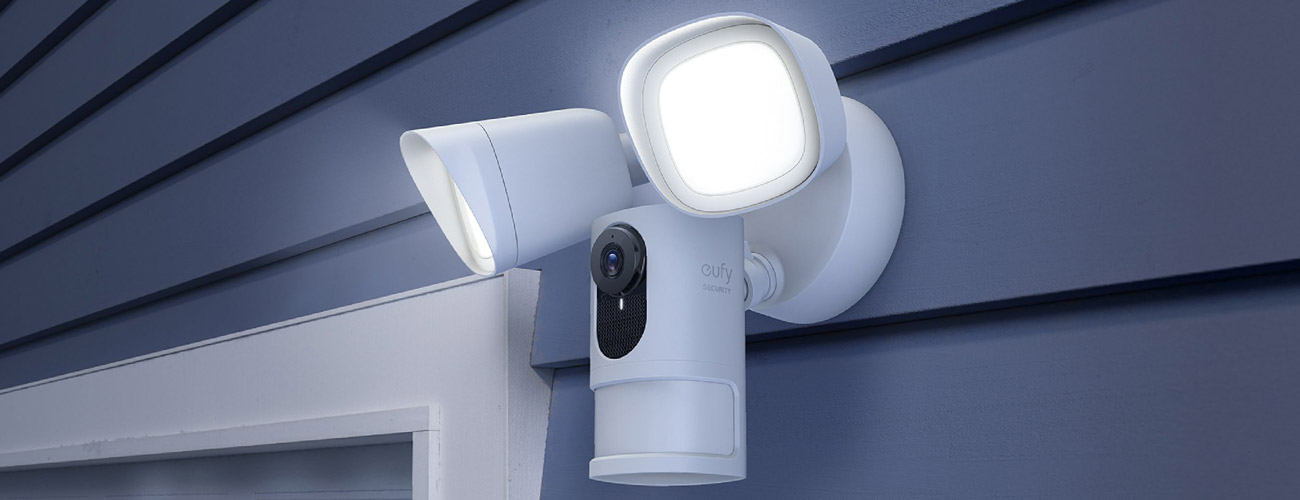
Ambient lighting is an important consideration when installing security cameras. Each camera needs adequate lighting to capture details needed to identify persons in the footage. Place your surveillance cameras where there’s enough light to see movements and faces in the videos they capture. If ambient lighting is poor even in the best location for a camera, consider installing an outdoor lighting fixture to illuminate the coverage area or choose a camera with night vision functionality.
Adjust your security cameras to the best coverage position
Adjust it to face the area you wish to keep under surveillance and check the coverage area from the camera’s viewpoint. If a vehicle or large object blocks its view at certain times of the day, move the camera to a better location.
Position surveillance cameras to cover points of entry
Position your security cameras to cover main entryways, such as front and back doors, as well as windows on the ground floor. Also, cover secluded points of entry like basement windows.
Hide your cameras’ cables
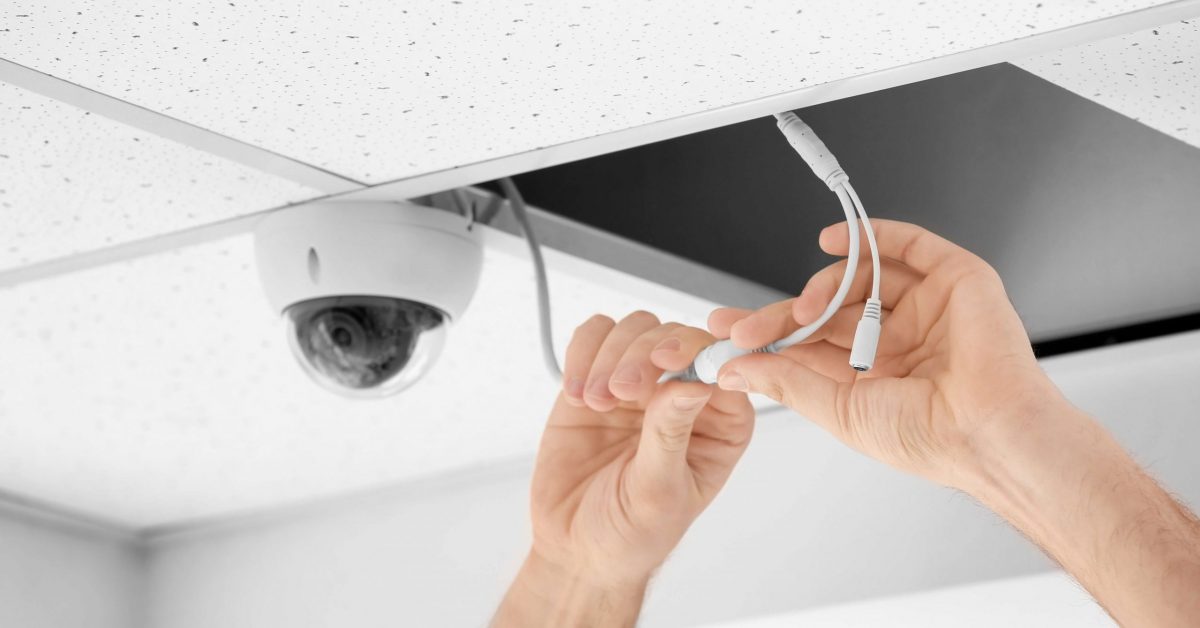
Hiding your cameras’ cables is an important consideration if you chose a wired surveillance system. Hiding the wires makes it difficult to disable your surveillance cameras by hiding their power and data cables in conduits. Inclement weather, burglars and rodents can all damage or cut exposed wiring.
Decide whether you want the camera to be visible or hidden
Visible security cameras are effective burglary deterrents, but they are also targets for theft and vandalism. Some homeowners choose to prominently install a fake decoy camera and back it up with a real one that’s slightly more concealed, while others add heavy-duty hardware or casing around the camera to make it more difficult to damage.
Consider video storage and retrieval when choosing a surveillance system
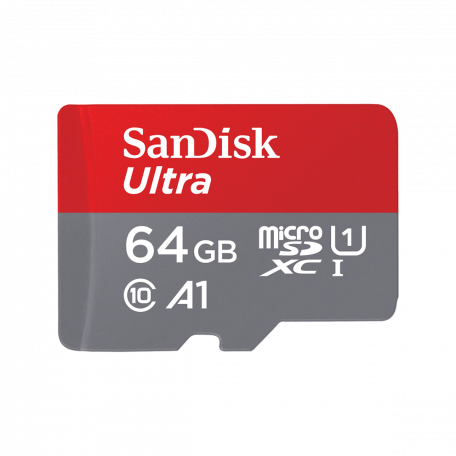
When looking for the best security camera system, consider the video storage options. A security camera may record footage to a local storage system or the cloud. Some cameras use memory cards for local storage, while others record to the hard drives of their base stations. However, cloud storage is a desirable option, whether offered as the only option or along with local storage. Besides video storage, the best security camera systems let you view livestreams or recorded clips on your phone and computer via companion apps.
Cloud storage is convenient, as it makes it easy to retrieve security footage even when intruders steal or destroy the cameras that capture them. Surveillance videos sent to the cloud are also much harder to erase, but burglars can easily destroy the memory cards and hard drives used for local storage. Keep in mind that cloud storage often requires additional subscription costs and relies on fast internet connections. These recurring costs are worth remembering when wondering how much it costs to install security cameras.
Secure your surveillance camera system
It’s not enough to protect your security camera system from burglars. You also need to secure it from digital intruders. The best security camera systems have strong encryption and security protocols to prevent hackers from remotely accessing and hijacking clients’ security cameras. It’s also important to follow recommended security rules, such as changing the default passwords shipped with your cameras and other surveillance equipment. Set them up with unique, strong passwords and be sure to install security updates from the surveillance equipment vendor whenever they’re available.
Protect the camera from the elements
Don’t point cameras directly at the sun. Bright light causes glare and high contrast in your footage, which makes it hard to tell what’s going on. Consider the movement of the sun and angle your cameras for indirect light.
Top outdoor security cameras have ample weather- and waterproofing, but they are not all equal. Choose a camera that’s appropriately rated for your climate, and place it under eaves or in another semi-protected area if you can.